
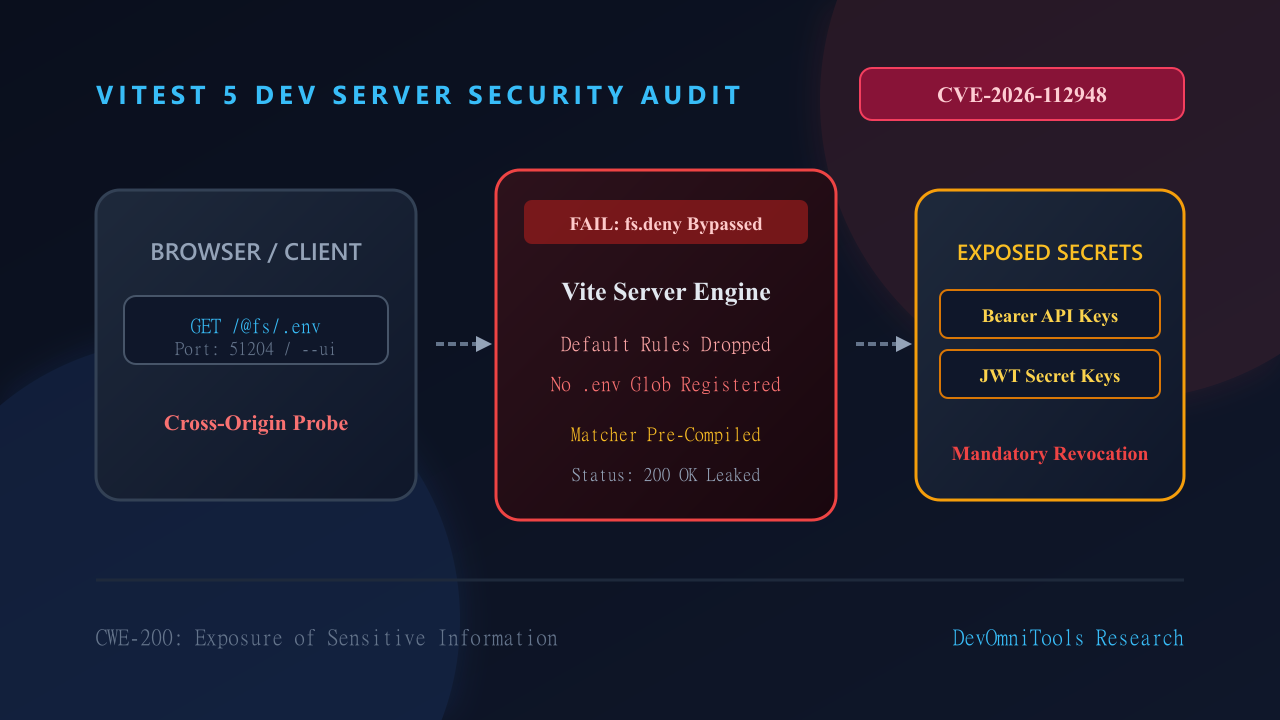
Auditing Vitest Dev Server Secret Leak (CVE-2026-112948) & Safe Token Rotation
Technical analysis of CVE-2026-112948 in Vitest 5. Learn why server.fs.deny failed to protect .env files over HTTP and how to rotate leaked tokens with CSPRNG.
Read guideDEVOMNITOOLS / Developer guides
Practical engineering walkthroughs and tutorials for inspecting tokens, decoding certificates, and converting SVG icons directly in your browser.
Technical analysis of CVE-2026-112948 in Vitest 5. Learn why server.fs.deny failed to protect .env files over HTTP and how to rotate leaked tokens with CSPRNG.
Read guide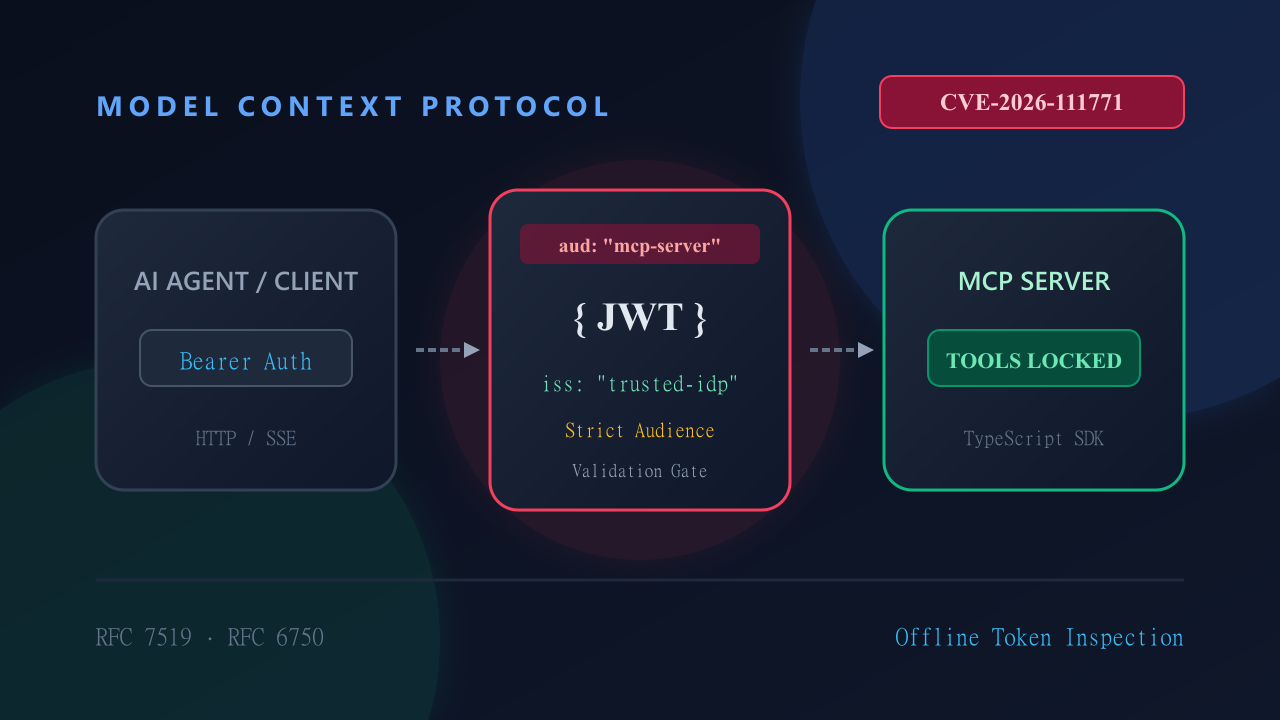
Diagnose and patch CVE-2026-111771 in the Model Context Protocol (MCP) TypeScript SDK. Learn why cross-service bearer tokens were accepted and verify claims locally.
Read guide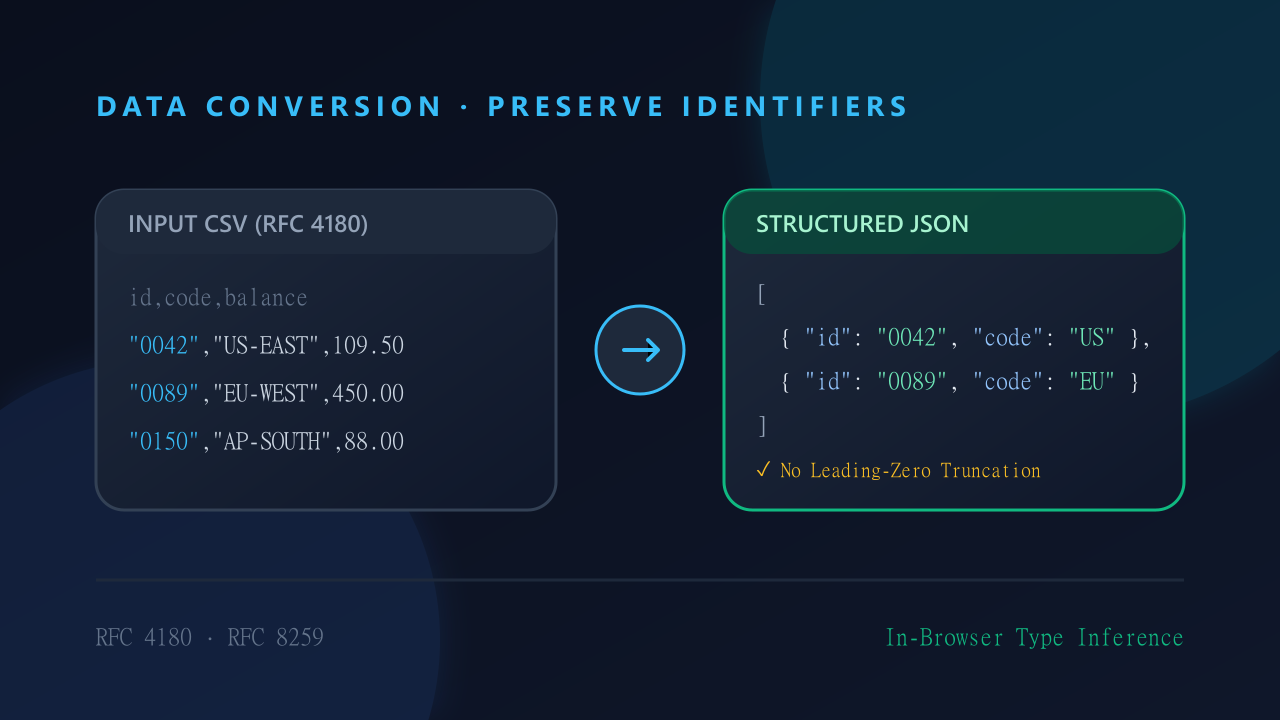
Convert CSV locally with worked examples for leading-zero IDs, quoted commas and type inference. Validate the result before export.
Read guide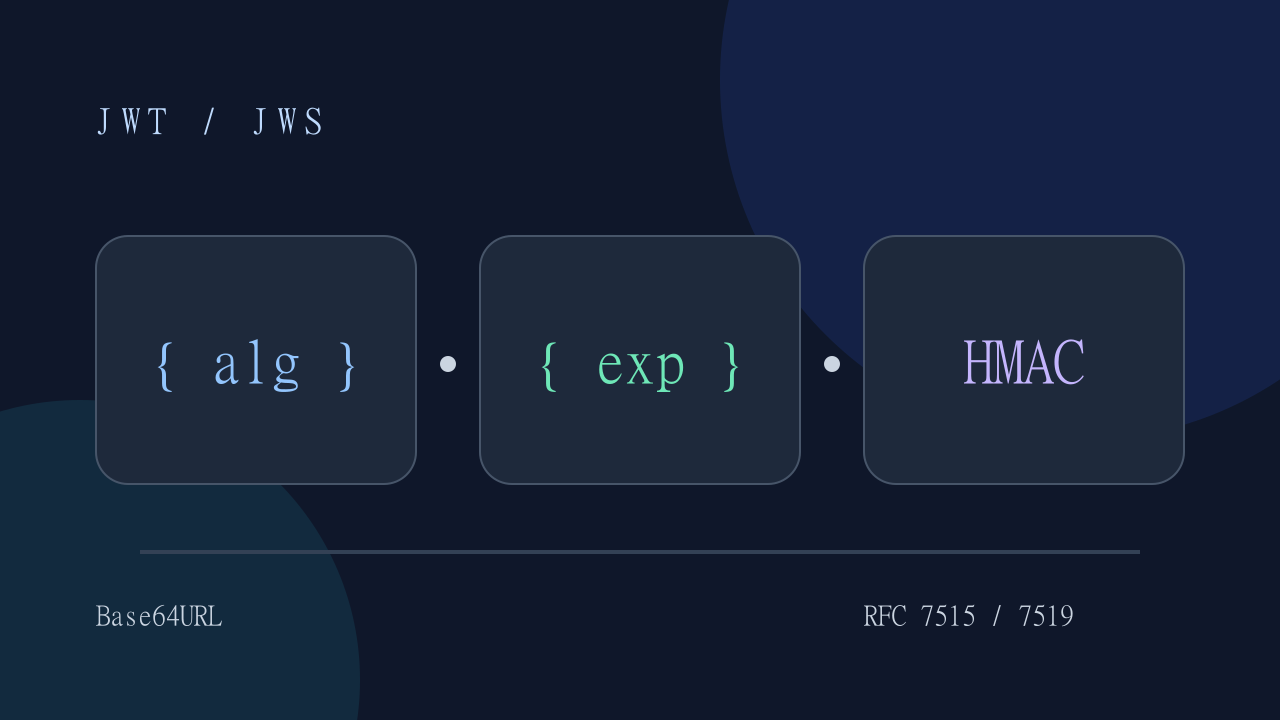
Inspect JWT headers, claims and signatures in your browser. Learn what decoding reveals, what it cannot verify, and how to handle tokens safely.
Read guide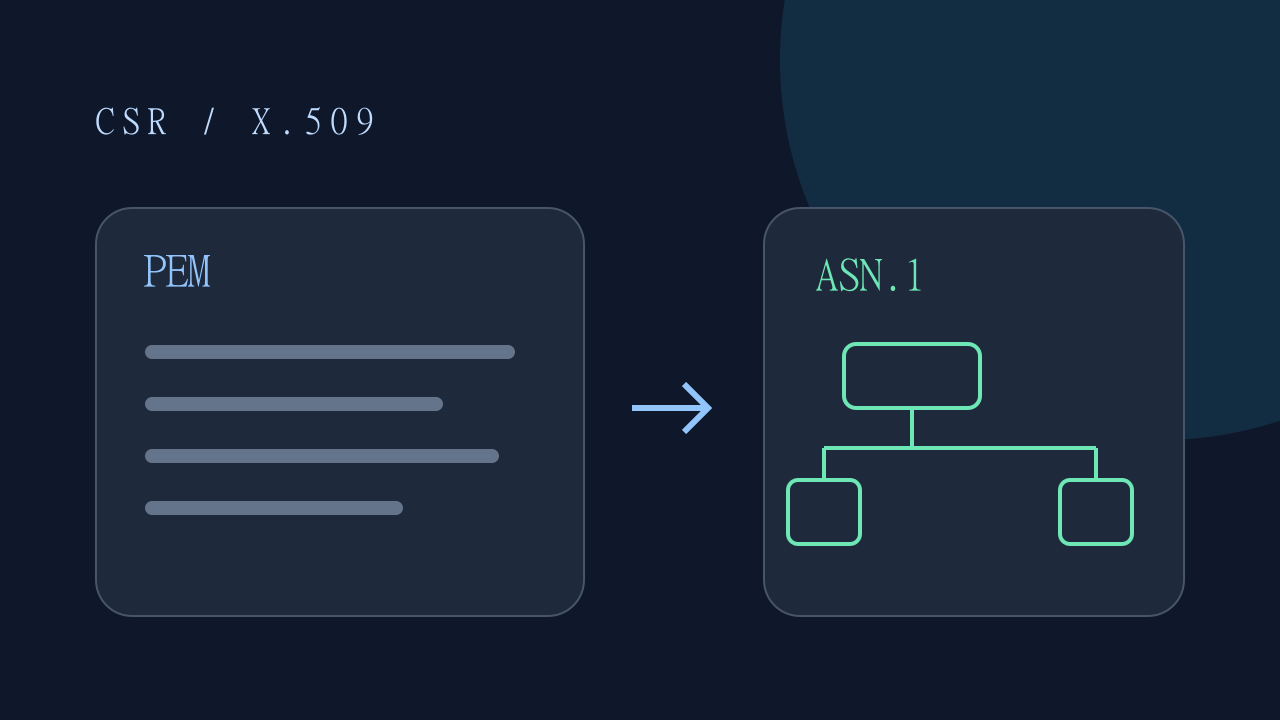
Inspect PEM certificates and certificate signing requests locally. Compare subject and issuer fields without confusing a CSR with an issued certificate.
Read guide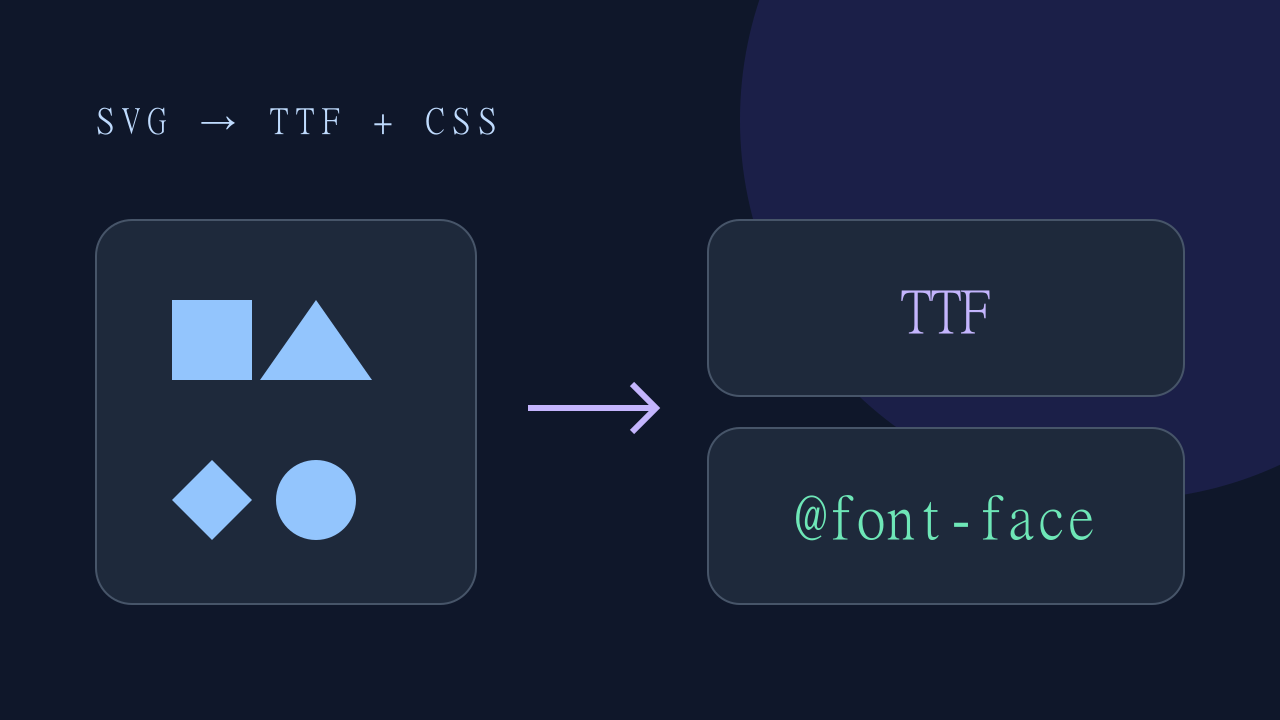
Build a TTF icon font from SVG paths in your browser, download the font and copy its CSS mapping. Understand format, styling and accessibility limits.
Read guideOur developer guides provide in-depth technical walkthroughs grounded in official RFC specifications and modern web standards. Unlike generic tutorials, each guide details client-side execution boundaries, security trade-offs, reproducible debugging steps, and real-world edge cases. We focus on zero-exfiltration patterns, showing developers how to inspect cryptographic tokens, parse public keys, and convert complex data formats without transmitting sensitive payloads to external servers.
Every transformation runs isolated in browser memory using Web Crypto API and modern runtimes without transmitting telemetry to third parties.
Guides strictly reference RFC 7519 (JWT), RFC 4180 (CSV), and RFC 5280 (X.509) to guarantee authoritative cross-platform compatibility.
Every article includes reproducible synthetic code fixtures and verified test cases directly runnable in any modern developer environment.
All engineering walkthroughs are cross-audited against normative IETF and W3C technical standards, including RFC 7519 (JWT), RFC 2986 (PKCS#10 CSR), RFC 4180 (CSV parsing), and RFC 5280 (X.509 PKI). Code snippets and cryptographic routines are validated against standardized reference test vectors to guarantee zero cross-platform divergence.
Absolutely. All documented architectures rely exclusively on standard browser primitives without outbound telemetry or external cloud dependencies. They are fully functional in zero-trust banking perimeters and air-gapped defense intranets.
All cryptographic buffers and sensitive input strings are constrained to ephemeral lexical execution scopes. Once processing terminates or the browser tab closes, garbage collection immediately dereferences and purges all structures, guaranteeing zero residual memory artifacts or persistent disk traces.